Dengue: what you need to know

Case numbers are climbing in several Pacific countries, highlighting the importance of dengue awareness and vaccination for travellers, writes Dr Joan Ingram, medical advisor for the Immunisation Advisory Centre
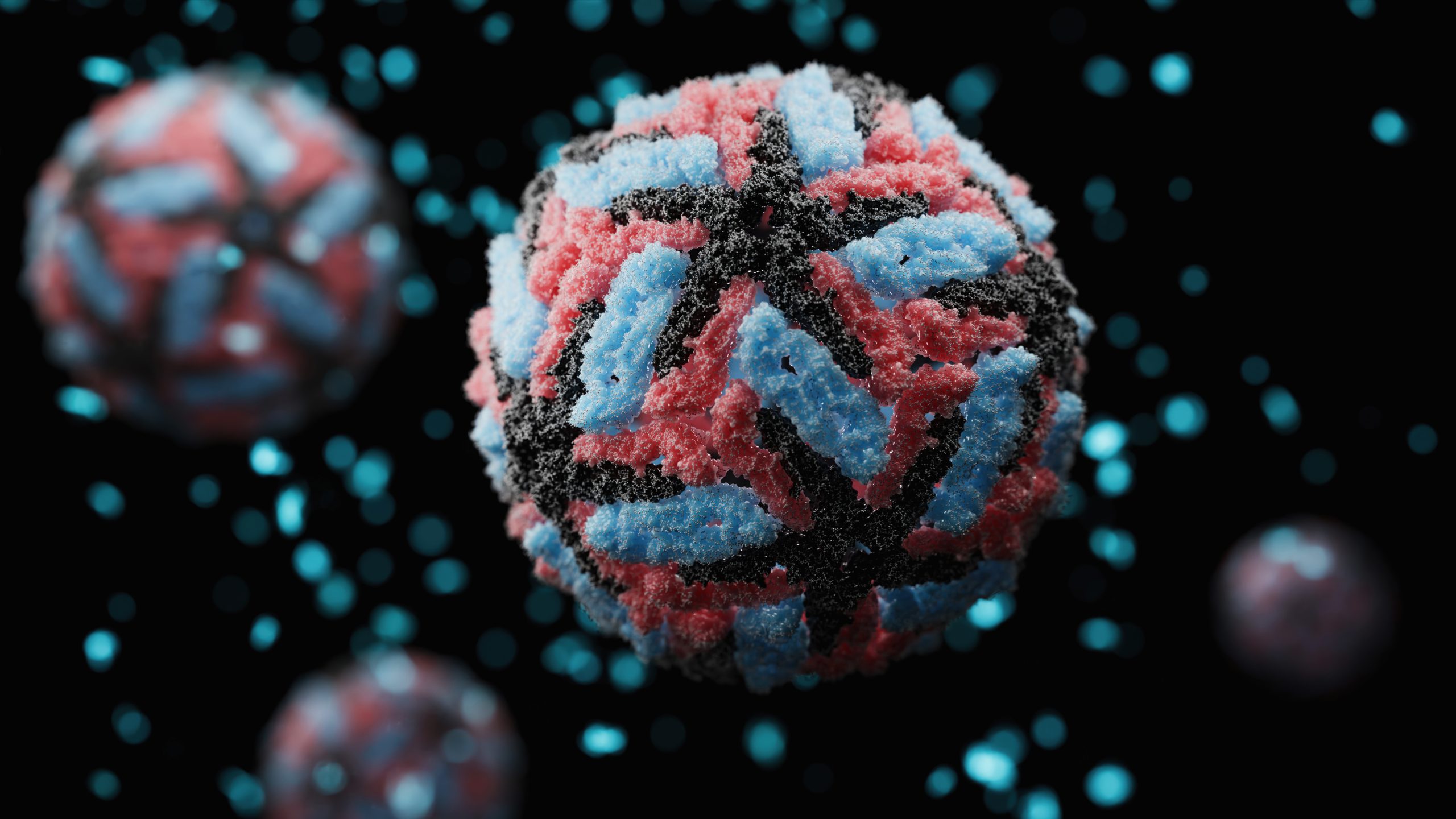
Case numbers are climbing in several Pacific countries, highlighting the importance of dengue awareness and vaccination for travellers, writes Dr Joan Ingram, medical advisor for the Immunisation Advisory Centre
Dengue outbreaks are currently affecting Kiribati, Samoa, Fiji, Tonga and French Polynesia with the most cases being reported from Fiji, according to The Pacific Community (SPC).
Case numbers are increasing in all of those areas, apart from in French Polynesia.
There are four dengue serotypes – and both serotype 1 and serotype 2 are currently circulating.
The Pacific Islands are vulnerable to dengue outbreaks as they have high levels of mosquitoes and dengue viruses can be introduced by infected people.
Between 2012 and 2021, there were 69 outbreaks of dengue fever among the Pacific Islands. However, they are not unique in having dengue fever - dengue is common in many other regions including the Americas, Africa, the Middle East and Asia.
Globally, dengue cases were at a very high level in 2024, particularly in South America. Cases increased almost 30-fold there between 2000 and 2024. Urbanisation, globalisation and climate change have contributed to this increase.
Dengue is often a leading cause of fever in risk countries. Estimates are that around 6 in 1000 travellers spending a month in a risk area become unwell with dengue, with up to 30% of them being hospitalised.
Dengue is spread by common biting mosquitos (various Aedes species), which thrive where humans live. The main way to avoid dengue is mosquito bite avoidance. Aedes mosquitoes (unlike the malaria-transmitting Anopheles) are daytime feeders, with two peak times of biting activity in the day - 2 to 3 hours after dawn, and mid-to-late afternoon. However, they may feed all day indoors or on overcast days. People should regularly apply effective repellent as well as using light-coloured clothing to cover up. In addition, they should take steps to reduce mosquitoes indoors (such as screens on windows and doors), and in the environment by emptying any water-holding containers.
Qdenga, a dengue vaccine, is available in 30 countries overseas but not in New Zealand. It protects against dengue serotype 1 and 2 very well, especially in people who have had previous dengue. Protection against serotypes 3 and 4 is still being evaluated. An earlier dengue vaccine increased the risk of severe dengue in people who had not had dengue previously. It does not seem as though Qdenga does that, but it is still being monitored and most authorities prefer to administer it to people with past dengue infection although the guidelines differ.
A new hope for the future is the use of Wolbachia-infected Aedes aegypti. Wolbachia infection blocks the transmission of the dengue virus from mosquitoes. Trials are ongoing with promising results.
Expert Opinions